Edit Content
Swedish flag with blue background and yellow cross, symbolizing Sweden's national identity and heritage.

Vretenborgsvägen 28, floor 6
SE – 126 30 Hägersten
Phone: + 46 8 683 03 00

Norwegian flag featuring a blue cross with white borders on a red background, symbolizing Norway.

Midstranda 51
NO – 2321 Hamar
Phone: + 47 62 54 02 91

Flag of Denmark, national flag with red background and white cross, symbolizing Danish heritage and pride, used in official and cultural contexts in Denmark.

Hassellunden 14
DK – 2765 Smørum
Phone + 45 70 300 310

Get connected

  1. Home
  2. »
  3. Industries
  4. »
  5. Maritime

OUR INDUSTRIES

Maritime

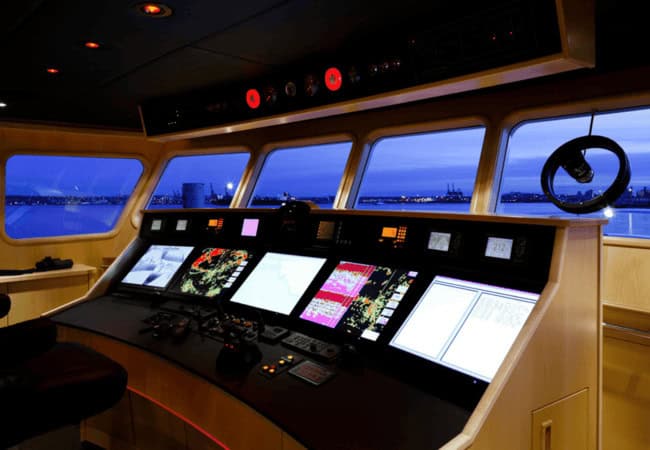
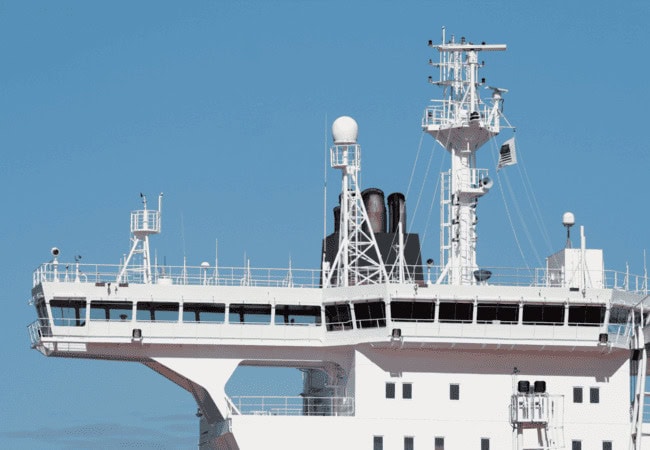
From the bridge to the engine room, maritime environments demand rugged, reliable technology. Salt, humidity, temperature shifts, and vibration push ordinary systems to their limits. Recab provides mission-ready computers, displays, and networks engineered for life at sea, delivering performance you can trust when reliability matters most.

About Recab in Maritime

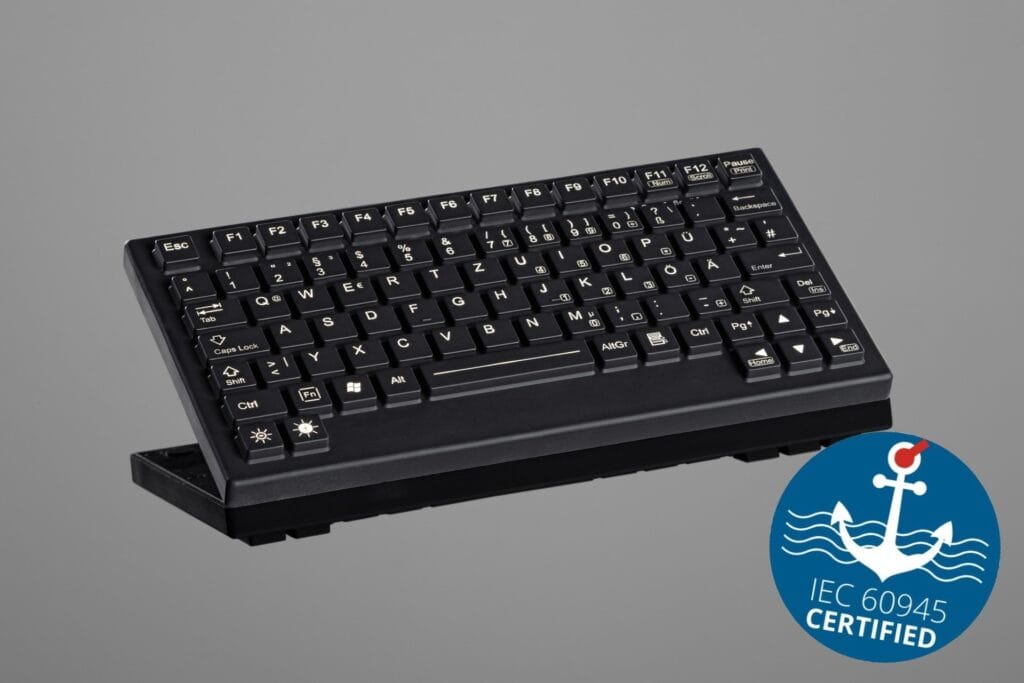
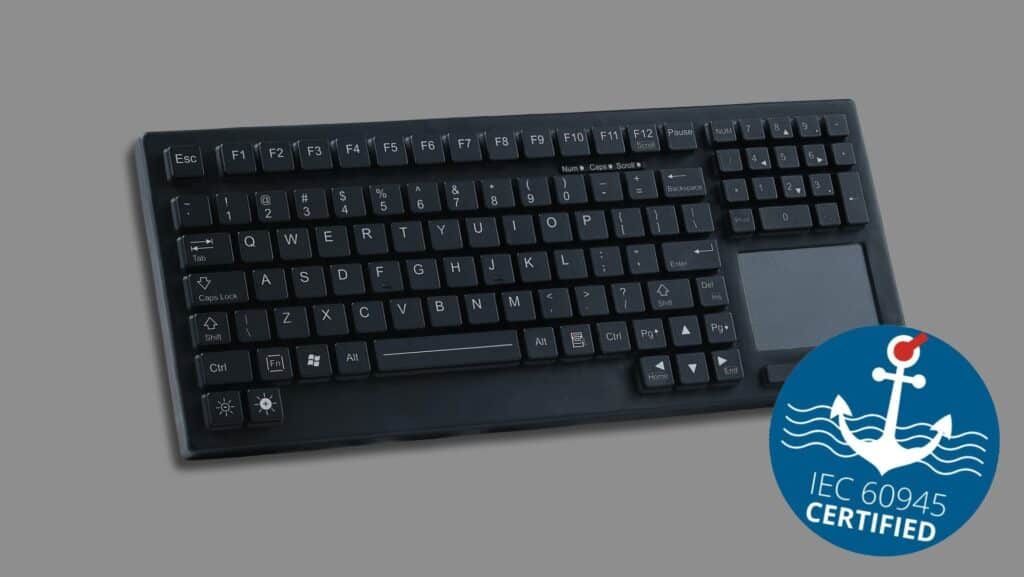
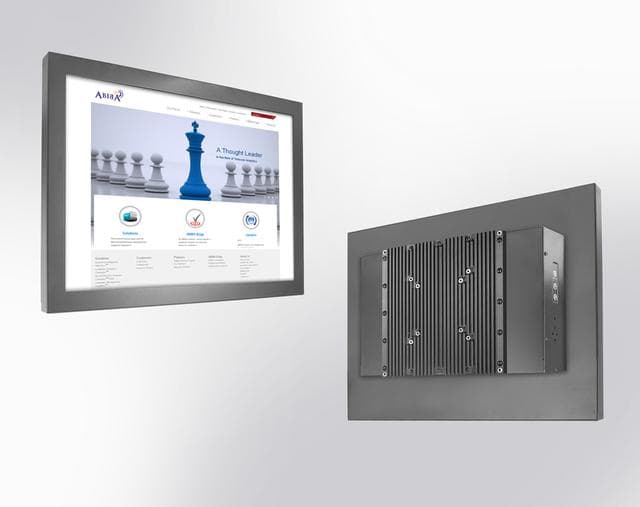
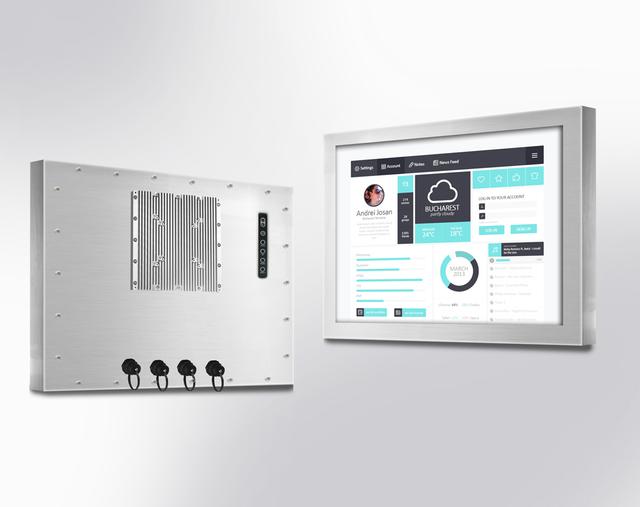
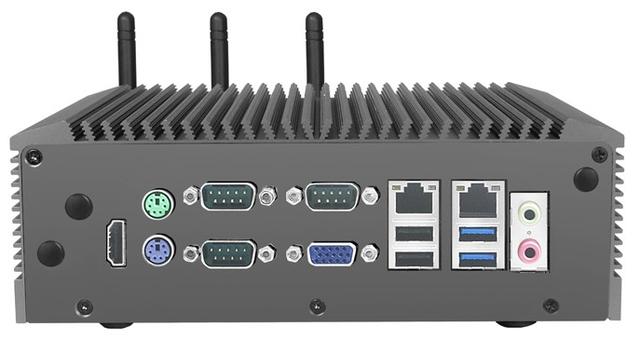
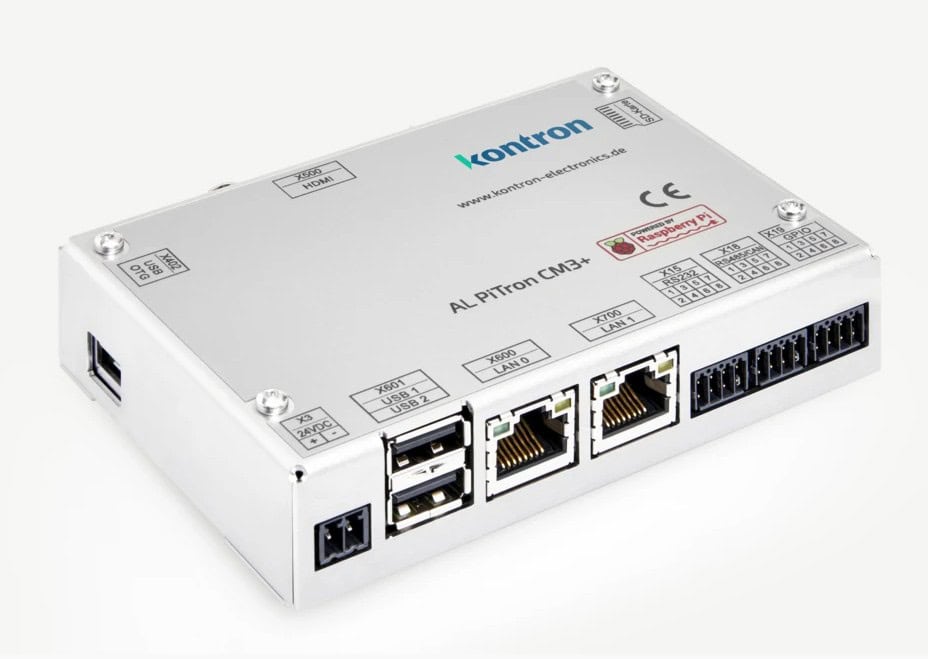
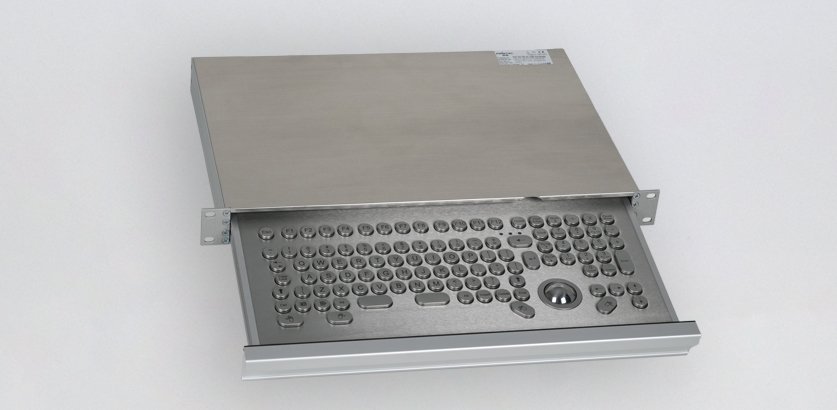
With decades of rugged computing experience, Recab delivers maritime solutions built for the toughest sea conditions. Our portfolio includes embedded computers, Panel PCs, sunlight-readable displays, and networking systems designed for reliable operation in engine rooms, bridges, and on deck. All products meet international standards such as IEC 60945, IACS E10, and DNV Type Approval.

Maritime EMC testing demands strict frequency control to avoid interference with navigation and communication systems. Recab tailors the right solution for each installation environment.

Seamless Onboard Integration

Operating at sea places unique demands on computing and network systems. Salt mist, humidity, shifting temperatures and constant vibration from vessel movement create conditions that few computers can withstand. Recab delivers maritime computing solutions built to handle these challenges, ensuring reliable operation on vessels of all sizes and across a wide range of mission critical applications.


From advanced navigation systems to critical onboard networks, Recab solutions support industry-standard interfaces to simplify integration:

Offshore oil rig during sunset with dramatic clouds and ocean waves, showcasing energy infrastructure in marine environment, ideal for oil and energy industry visuals.

Certified for Maritime Demands

Let’s break down the most common standards and requirements for the marine market, highlighting key aspects of compliance, performance, and long-term reliability in demanding environments.

IEC 60945

Environmental and EMC requirements for navigation and communication electronics, for example with stricter limits to protect VHF marine channels (156–165 MHz) from interference.

IACS E10

Standards defined by the International Association of Classification Societies, covering testing for vibration, temperature, humidity, EMC and salt mist to ensure reliable performance of electronic equipment onboard ships.

DNV Type Approval

Certification often required for onboard installation by classification societies.

Ingress Protection (IP)

Required ingress protection (IP) level depends on the installation location. Equipment installed on open decks or other exposed areas generally needs a higher level of protection against water and dust, while equipment located inside protected spaces, such as the bridge or engine control room, can comply with lower IP requirements.

Corrosion Protection

Equipment in exposed areas must be protected against salt, moisture, condensation, and galvanic corrosion to prevent corrosion and ensure reliability.

Typical Performance Requirements

Sunlight-readable displays, wide temperature range (-20 °C to +70 °C), fanless or sealed cooling and EMC shielding.

Common Interfaces

Supports CAN bus, NMEA 2000, Ethernet, and RS-422/RS-485 for reliable, low-latency communication between marine control, monitoring, and navigation systems.

Built for Harsh Maritime Conditions

Our platforms combine rugged engineering with smart design, ensuring reliable operation in all conditions at sea.

Sunlight-readable displays for clear visibility on deck

Wide temperature range (-20 °C to +70 °C)

Fanless, sealed cooling for dust- and salt-proof operation

EMC shielding for interference-free communication

Ready to Get in Touch?

Whether you have a project inquiry, need technical support, or want to explore collaboration, our team is here to help.